
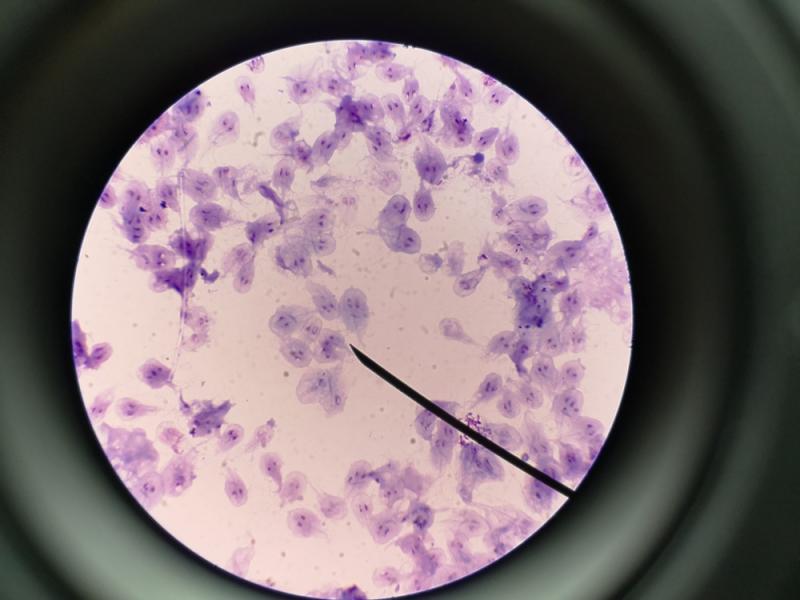
Diagnostic Parasitology Services resides within the Division of Immunology at the TNBRC, and provides diagnostic services to clinical veterinarians and core and affiliate investigators when parasitic diseases are suspected in resident nonhuman primates. Animals from the TNBRC breeding colony are examined regularly for parasites as part of the preventive health program. The diagnostic parasitology lab also examines samples from animals entering an experimental protocol, as the presence of parasites may influence clinical results.
Diagnostic Parasitology not only assesses animals assigned to specific projects but also colony and quarantine animals. Parasites such as Strongyloides fuelleborni, which may cause broncho-pneumonia and enteritis, Trichuris trichiura and Giardia lamblia (also causes of enteritis) may be effectively diagnosed and treated so as to preserve the health of the individual and the colony. The DP lab effectively services all of the investigators that hold animal projects at the TNBRC or that receive samples from nonhuman primates housed at the TNBRC.
The types of services include:
- Blood parasite detection via microscopic examination of prepared blood smears and quantitative buffy-coat analysis (QBC).
- Intestinal parasite detection via microscopic examination of direct wet mounts, zinc sulfate flotation prepared slides, or parasite-specific assays.
Contact
Monica Embers, PhD, Professor of Microbiology and Immunology
Chad Massey, MSPH, Lab Supervisor of the Diagnostic Parasitology lab